
Hardly anywhere in the Netherlands will you find so much varied nature in such a small area as on Ameland, from wide beaches and high dunes to forests, salt marshes and the mudflats.
- In short: the island has some 27 kilometres of beach, vast dunes, forest, salt marshes and polders, with four mound villages in between.
- The wild east: the most beautiful and quietest nature lies in the east, in the Het Oerd dunes and the De Hôn tidal area.
- Salt marshes along the mudflats: thousands of birds breed and rest in salt marshes such as the Nieuwlandsreid.
- Dunes and forests: from the Lange Duinen and Roosduinen to the duck decoy at De Kooiplaats.
- Birds and seals: discover which plants and animals you may encounter, from wild orchids to seals on the sandbanks.
- Go exploring: head out along the walking trails and cycle paths or start at the nature centre in Nes.
Het Oerd: dunes, valleys and views
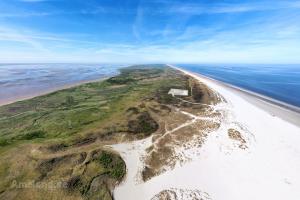
The Oerd is a vast dune landscape on the eastern side of Ameland and one of the most spectacular nature areas on the island.
- High dunes, damp valleys: high, rugged dunes alternate with damp dune slacks, where rare plants bloom in summer.
- Views: from the highest dunes you look out over the Wadden Sea, the wide beach and the rest of the island.
- Bird area: the Oerd is an important bird area where you can spot seabirds, migratory birds and birds of prey.
- Oerd beach: east of Buren lies a quiet natural beach, and the further east you walk from beach post 16, the quieter it gets.
- Starting point: the easiest place to start a walk is the Spijkerpad in Buren.
De Hôn: where the North Sea meets the Wadden Sea
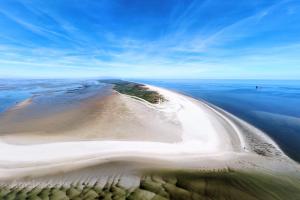
Directly east of the Oerd lies De Hôn, a vast tidal area on the eastern tip of the island.
- Tidal landscape: salt marshes, mudflats and sandbanks fall dry at low tide and flood again at high tide.
- Wadden birds: at low tide you can watch waders, ducks and geese feeding on the exposed mud, a wonderful sight.
- Seals: seals regularly rest on the sandbanks around the eastern tip.
- Remote: De Hôn is one of the most remote places on Ameland and is reached via the same Spijkerpad as the Oerd.
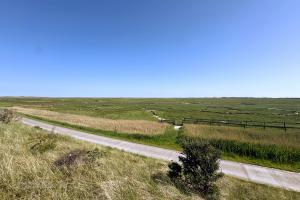
Salt marshes and polders along the mudflats
Ameland formed on a sandy beach ridge, with dunes on the North Sea side and salt marshes on the side of the mudflats.
- Nieuwlandsreid: the salt marsh area of Nieuwlandsreid, some 400 hectares in size, is one of the best places for birdwatching.
- Salt plants: salt-loving plants such as samphire and sea lavender grow on the salt marshes and simply stand under water for a while at high tide.
- Reed beds: between Ballum and Hollum lie reed beds that are beautiful in spring and summer and offer migrating birds a place to rest and feed.
- Salt marsh meat: sheep and cattle graze the salty polders and salt marshes, giving Ameland lamb and beef a flavour all of its own.
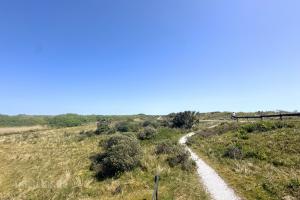
Dunes and forests
In the middle and west of the island, dune areas and forests alternate, ideal for a peaceful walk or bike ride.
- Lange Duinen: the Lange Duinen form a long ridge of dunes with lovely walking paths and wide views.
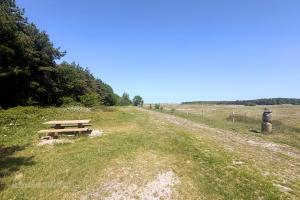
- Nesserbos: the Nesserbos near Nes is the largest forest on Ameland, with birdsong in spring and colourful foliage in autumn.
Flora and fauna
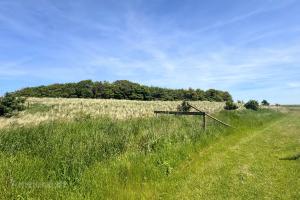
Thanks to the mix of beach, dunes, forest, salt marsh and mudflats, a remarkable number of plant and animal species live on Ameland.
- Wild orchids: in the damp dune slacks several species of wild orchid bloom in summer.
- Waders and geese: on the salt marshes and mudflats you will see oystercatchers, curlews and, in autumn and winter, large flocks of geese.
- Meadow birds: in the polders you will hear the black-tailed godwit, the redshank and the lapwing in spring.
- Birds of prey: harriers and other birds of prey regularly hunt over the dunes.
- Seals: harbour seals and grey seals rest on the sandbanks around the island; on a boat trip you can see them up close.
- Life in the mudflats: the seabed is full of worms, shellfish and shrimps; explore it safely on a guided mudflat hike.
Experience nature yourself on Ameland
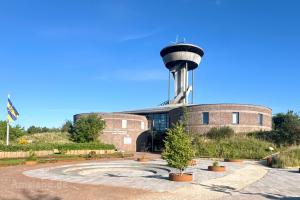
With more than 80 kilometres of cycle paths and countless walking routes, nature on Ameland is always within reach.
- Walking: follow one of the walking routes through the dunes and forest and along the salt marsh.
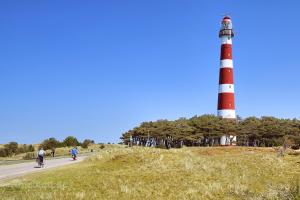
- Cycling: the well signposted cycle paths take you past all four villages and the finest nature areas.
- Mudflat hiking: walk across the exposed flats with a certified guide on a mudflat hike.
- Respect nature: stay on the paths, keep your dog on a lead and keep your distance from nesting birds and seals.